


.png)

Backflow Letter Meaning and What to Do Next
.png/v1/fill/w_320,h_320/file.jpg)
A city or township envelope marked with a backflow testing deadline can feel more urgent than it first appears. The backflow letter meaning is usually straightforward: a device connected to your property’s water system must be tested by a certified tester, and the municipality needs proof that it passed before the stated due date.
For many homeowners, the letter arrives years after an irrigation system was installed, after buying a home with a pool, or when spring sprinkler service begins. It is not necessarily a sign that anything is broken or that your water has been contaminated. It is a routine compliance notice tied to protecting the public drinking-water system.
What a Backflow Letter Means
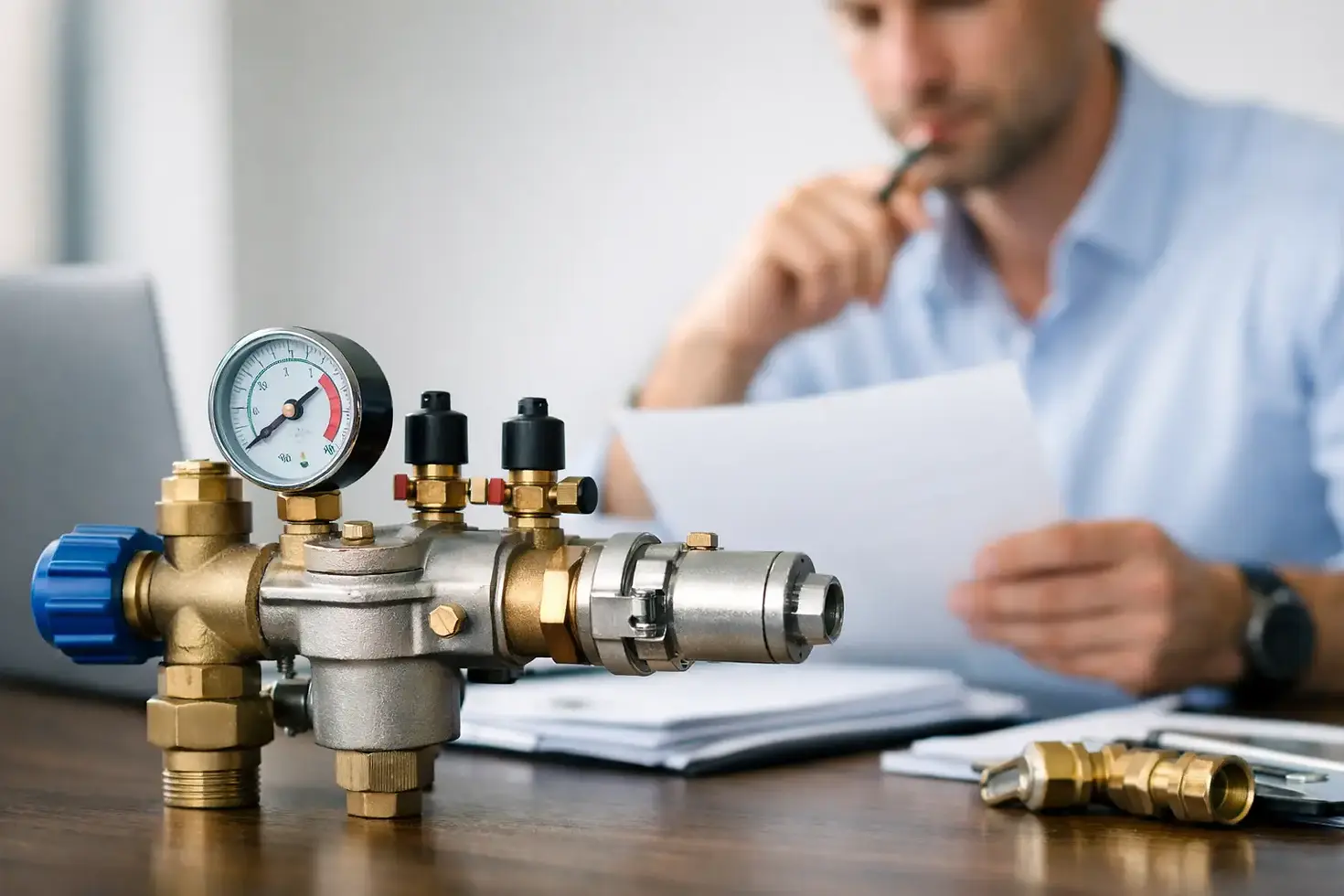
Your notice is a request, and in many communities a requirement, to have a backflow prevention assembly tested and certified. These assemblies are installed where a private system connects to the public water supply. Common examples include lawn irrigation, swimming pool fill lines, commercial plumbing systems, fire suppression lines, and certain sump pump or boiler connections.
The municipality is responsible for protecting water in the public distribution system. Your property’s backflow device is one part of that protection. Because internal parts can wear, freeze, corrode, or become obstructed over time, a device cannot be assumed to work simply because it looks intact.
The letter generally identifies the property address, the type or location of the device if that information is on file, and a deadline for testing. Read the notice closely. Some jurisdictions require annual testing, while others issue notices on a different schedule or after a new connection is reported. The deadline and submission process are set by the city, township, or water authority, not by the testing company.
Why Municipalities Require Backflow Testing
Backflow happens when water flows in the opposite direction from its intended path. This can occur when pressure in the public water main drops, such as during a water-main break, hydrant use, or heavy demand. If pressure changes and a cross-connection exists, water from an irrigation line, pool system, or other private plumbing system could potentially move toward the drinking-water supply.
A backflow prevention device is designed to stop that reverse flow. The annual test verifies that its internal check valves and relief components are operating correctly under controlled conditions. The test is not about judging the cleanliness of your home’s plumbing. It is a practical inspection of a specific safety device that helps keep non-potable water out of the public system.
That distinction matters when you receive a notice. A backflow letter does not automatically mean your water is unsafe, your device has failed, or you are being fined. It means the municipality needs current documentation showing the device has been tested.
What to Do After Receiving a Backflow Notice
Start by checking the due date and confirming the address on the letter. Then schedule a certified backflow test early enough to allow time for any needed repair and paperwork processing. Waiting until the final day can create unnecessary pressure, especially during spring when irrigation systems are being activated across Metro Detroit.
If the letter lists a customer number, device identification number, or municipal form, keep it available for the tester. A photo of the notice is often helpful. It gives the tester the information needed to match the test record to the correct property and water authority.
You should also make sure the assembly can be reached. Backflow devices are often outside near the water meter, basement mechanical room, irrigation connection, pool equipment, or fire riser. Clear away stored items, unlock gates if needed, and let the tester know about dogs or access restrictions. For an exterior irrigation device, the water supply normally needs to be turned on so the device can be tested.
A standard residential test can often be completed quickly. Clarkston Backflow Testing LLC offers contactless appointments and typically completes the field portion in about 15 minutes when the device is accessible and operational. After a passing test, the required certification paperwork is submitted to the appropriate municipality.
What Happens During the Test
A certified tester attaches calibrated gauges to the backflow assembly and checks whether its internal components hold pressure and respond properly. The tester records the device information, test readings, property details, and certification information required by the local authority.
The process may briefly involve shutting valves or releasing a small amount of water at the assembly. For most residential customers, there is no need to be present if access has been arranged and the tester has the required notice information. Commercial sites, gated communities, and buildings with secured mechanical rooms may need a staff member, property manager, or maintenance contact available for entry.
A passing result means the device met the test requirements on that date. The tester submits or provides the documentation required by the municipality. Keep your confirmation for your records, particularly if you own a rental property, manage several sites, or expect to sell the property.
If Your Device Fails the Test
A failed test is not unusual, and it does not always mean a full replacement is needed. Debris, worn rubber parts, damaged check valves, and relief-valve issues can cause a failure. The right next step depends on the device type, its age, the nature of the failure, and whether replacement parts remain available.
Ask for a clear explanation of what failed and what repair is recommended. A transparent service provider should distinguish between a small repair that can be completed during the visit and larger work requiring approval, parts, or a follow-up appointment. Clarkston Backflow Testing LLC can complete minor repairs when appropriate and does not add a retesting fee when an inexpensive repair part under $20 resolves the failure during the initial visit.
Larger repairs should be approved before work begins. That protects you from surprise costs and gives you a chance to understand whether repairing the existing assembly or replacing it makes better financial sense. Once repairs are completed, the device must be retested before it can be certified as passing.
Do not ignore a failed result or assume the original test record will satisfy the city. The municipality needs a passing certification, not simply proof that someone inspected the device.
When You No Longer Use the System
Some homeowners receive a backflow testing letter for an irrigation system they no longer use. Others have removed a pool, abandoned an old sprinkler system, or inherited an unused connection after purchasing the property. In these cases, annual testing may continue because the backflow assembly remains connected to the water system and remains on municipal records.
Turning off a sprinkler controller or leaving irrigation heads unused does not necessarily end the testing obligation. To stop recurring notices, the connection may need to be removed or permanently disconnected in a code-compliant way. A cut-and-cap removal can be an option when the system will not be used again, but the correct approach depends on the plumbing layout and local requirements.
Before removing anything, confirm whether you may want irrigation restored later. Removing a device can eliminate annual testing, but reinstalling a compliant connection later adds cost. A quick conversation about the long-term use of the system can prevent an expensive reversal.
Backflow Letter Meaning for Commercial Properties
For facility managers and commercial property owners, a backflow letter may cover more than one assembly. A site can have separate devices for irrigation, domestic water, fire protection, process equipment, or tenant spaces. Each device may have its own serial number, size, location, and reporting requirement.
Treat the notice as a compliance task with a paper trail. Verify every listed device, arrange safe access, and allow enough time for repairs or retesting. Missing a deadline can lead to follow-up notices, administrative action, or possible water-service enforcement depending on the local authority. Scheduling ahead is usually simpler than resolving an overdue record.
If you are unsure why a device is listed, do not guess or remove it without review. The device may serve a system that is still active, especially on multi-tenant, landscaped, or fire-protected properties.
A backflow notice is best handled early, while there is time to test, address a minor issue, and submit clean paperwork. Once you know what the letter is asking for, it becomes a manageable maintenance appointment that supports both your property’s compliance and the community’s drinking water.


Comments